Why Your Furnace Keeps Letting You Down When You Need It Most
When the first real cold snap rolls into East Texas, the last thing any of us want is a furnace that decides to quit. Yet every year, we see families scrambling for emergency furnace repair in Tyler TX because their systems fail right when they’re needed most. In our experience, most of these breakdowns aren’t random or mysterious at all. They’re the result of small issues that were building for weeks or months.
At Olympus Air & Heat, our passion is helping our neighbors enjoy dependable comfort without the stress of surprise failures. In this article, we’ll walk through the most common reasons a furnace keeps failing, how to recognize the warning signs, and what you can do now to fix problems before the next cold snap. With a little know-how and the right support, you can dramatically reduce the risk of a no-heat emergency and keep your home safe, cozy, and efficient all winter long.
Hidden Everyday Issues That Slowly Destroy Your Furnace
If your furnace seems to fail every winter, it’s usually not “bad luck.” It’s often the same small problems repeating until they cause a major breakdown. We’ve seen these patterns over and over during furnace repair calls in Tyler TX, and they almost always start with neglect, airflow problems, or minor component wear.
Clogged Filters, Blocked Vents, and Choked Airflow
We can’t overstate how much damage poor airflow can cause to a heating system. When a furnace can’t “breathe,” it runs hotter and longer, which stresses parts and shortens its life.
Common airflow issues we find include:
– Dirty or unchanged air filters
– Return air grills blocked by furniture, drapes, or clutter
– Supply vents closed off in multiple rooms
– Ductwork that’s crushed, leaking, or disconnected in attics or crawl spaces
Here’s what happens when airflow is restricted:
– The heat exchanger overheats, triggering safety shutoffs.
– The blower motor works harder, increasing wear and energy use.
– Short-cycling begins, with the furnace turning on and off repeatedly.
Over time, that kind of stress can crack a heat exchanger or burn out motors and controls. Simply changing your filter every 1–3 months (more often with pets or allergies) and making sure all vents and returns are open and clear can prevent many expensive furnace repair visits.
Lack of Regular Maintenance and Safety Checks
We’ve noticed a clear pattern: furnaces that get annual tune-ups fail dramatically less than those that don’t. Without routine maintenance, small issues like:
– Loose electrical connections
– Weak ignitors or dirty burners
– Failing capacitors
– Minor gas pressure or combustion problems
turn into:
– No-heat calls on the coldest night
– Strange smells or loud noises
– Safety shut-downs from flame sensors or limit switches
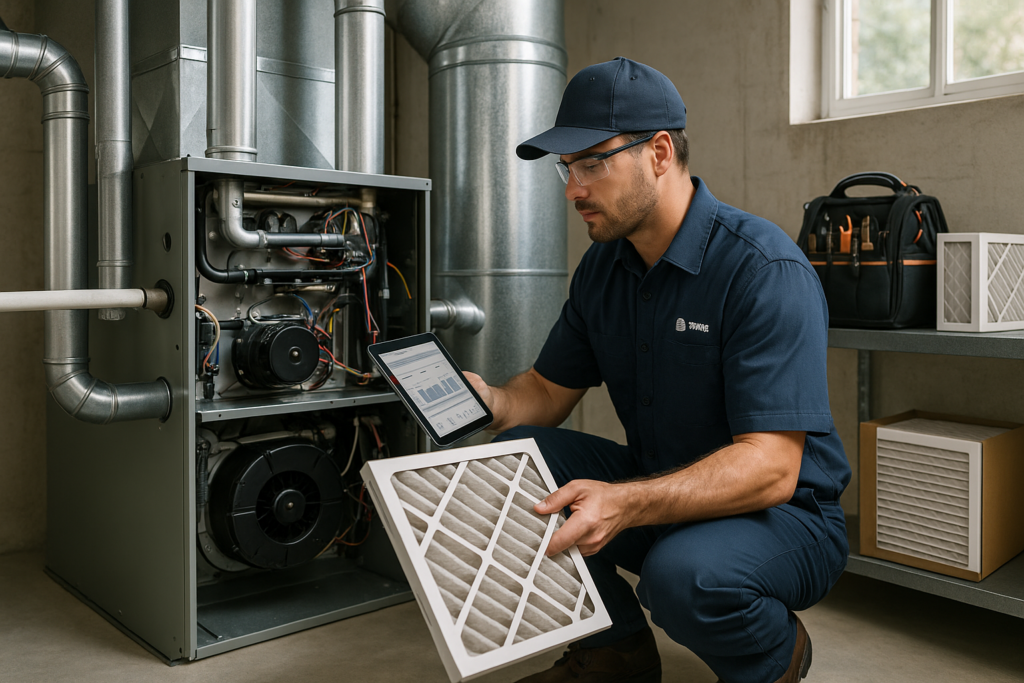
During a professional maintenance visit, we typically:
– Inspect and clean burners and flame sensors
– Check ignition systems and gas pressures
– Test safety controls and limit switches
– Inspect the heat exchanger for cracks or rust
– Check airflow, blower operation, and static pressure
That kind of attention not only improves comfort—it also helps keep your home safe from issues like carbon monoxide and greatly reduces surprise breakdowns during a cold snap.
Thermostat and Control Problems You Might Be Overlooking
Sometimes, what looks like a major furnace failure is actually a control issue. We regularly respond to calls where the furnace itself is fine but the thermostat or wiring is the culprit.
We often see:
– Dead thermostat batteries
– Incorrect thermostat settings (set to “Cool” or “Fan Only”)
– Mis-calibrated thermostats that read the wrong temperature
– Loose, damaged, or corroded thermostat wiring
If your furnace fails to start, short-cycles, or runs inconsistently, it’s worth checking:
– Thermostat mode: set to “Heat”
– Fan setting: usually “Auto,” not “On” during troubleshooting
– Batteries: fresh and properly inserted
– Temperature: set higher than current room temp
If everything there looks right and the system still fails, it’s time to call for professional furnace repair so we can diagnose whether the problem is in the furnace controls, thermostat, or wiring.
Top Mechanical and Electrical Failures We See Before a Cold Snap
When the first serious cold front hits, we tend to get the same kinds of emergency calls. Certain components in furnaces are more likely to fail after long periods of light use followed by sudden heavy demand. By understanding these common failures, you can recognize early warning signs and deal with them before temperatures drop.
Ignition, Pilot, and Burner Problems
Modern furnaces usually use electronic ignition systems instead of standing pilot lights, but both can fail in similar ways. In our Tyler TX furnace repair work, we frequently encounter:
– Dirty flame sensors that don’t “see” the flame
– Weak or cracked hot surface ignitors
– Faulty spark ignition modules
– Dirty or misaligned burners
Typical symptoms:
– Furnace clicks but never lights
– Furnace lights, then shuts off within a few seconds
– Multiple attempts to start before finally running
– Rotten-egg gas smell (this is an emergency—leave the home and call the gas company and a professional)
These issues are rarely something we recommend homeowners handle themselves, because burner and ignition systems involve gas and combustion. A professional technician will:
– Clean or replace flame sensors
– Test and replace ignitors if needed
– Inspect gas valves and pressure
– Clean burners and verify proper flame patterns
Addressing burner and ignition issues early can prevent full system outages when the coldest nights arrive.
Blower Motor, Capacitor, and Fan Failures
Another set of frequent failures involves the blower system—the part that moves warm air through your ducts and into your home. Even if your furnace is producing heat, you won’t feel it without a functioning blower.
Common blower-related problems include:
– Failing blower motors
– Bad capacitors
– Debris buildup on fan blades
– Worn bearings causing grinding or squealing noises
You might notice:
– Weak airflow from vents
– Furnace overheats and shuts off
– Loud humming, rattling, or squealing when the fan runs
– Furnace burners shutting off while the blower continues to run
A technician will typically:
– Test motor amperage and capacitor strength
– Inspect and clean blower assemblies
– Lubricate bearings where applicable
– Verify that the blower speed and airflow are correct for your system
These repairs, when done early, can extend the life of your furnace and improve comfort and efficiency throughout your home.
Safety Switches, Sensors, and Control Boards
Furnaces are equipped with multiple safety devices designed to protect your home and family. When they sense danger—or when they themselves fail—they can shut the system down.
The components we often find at the heart of “mystery” furnace failures include:
– High-limit switches (overheat protection)
– Pressure switches (venting and airflow verification)
– Flame rollout switches
– Circuit boards and control modules
Symptoms can be:
– Furnace starts then shuts down repeatedly
– Blinking error codes on the furnace control board
– No response at all when the thermostat calls for heat
While safety switches sometimes go bad on their own, they often trip for a reason—like a blocked flue, poor airflow, or improper combustion. That’s why we always address the underlying cause instead of just resetting or replacing the switch.
How to Prevent the Next Breakdown: Practical Steps Homeowners Can Take
We believe the best furnace repair is the one you never need. While some issues absolutely require a professional, there are many proactive steps you can take that dramatically reduce the risk of surprise failures in your Tyler TX home.
Simple DIY Checks to Do Before the Next Cold Snap
Before temps dip, we recommend walking through a quick home checklist. These steps are safe for most homeowners and can reveal small problems early:
– Change your air filter: If you can’t see light through it, it’s time for a new one.
– Clear all supply and return vents: Move furniture, rugs, and drapes away from grills.
– Check your thermostat: Fresh batteries, set to “Heat,” and programmed correctly.
– Inspect the outdoor area (for systems with outdoor components): Make sure it’s free of debris, leaves, or obstructions.
– Listen for unusual sounds: Rattling, banging, or squealing during operation.
– Note any odd smells: Musty or burning odors when the system first starts.
If you find anything that seems off, it’s far better to address it now than to wait until the temperature drops and your furnace is under maximum stress.
Why Annual Professional Maintenance Is a Game-Changer
Routine maintenance is like an annual wellness visit for your heating system. Our experience has shown that properly tuned furnaces:
– Run more efficiently, lowering energy bills
– Provide more consistent comfort and airflow
– Are less likely to fail in extreme weather
– Last years longer than neglected systems
A typical professional maintenance visit from a qualified furnace repair company includes:
– Cleaning burners, flame sensors, and ignition components
– Checking electrical connections and tightening where needed
– Testing capacitors, motors, and safety switches
– Verifying combustion quality and checking for carbon monoxide
– Inspecting the heat exchanger and venting system
– Measuring temperature rise and airflow
In Tyler TX, where we can swing from warm afternoons to freezing nights quickly, having a system that’s ready for sudden demand is crucial. We always encourage homeowners to schedule maintenance in the fall, before the first major cold snap, to catch any hidden issues.
Know When to Call a Professional Immediately
While we fully support informed homeowners, there are situations where DIY troubleshooting is not safe or wise. You should reach out to a furnace repair expert right away if you notice:
– A persistent gas smell (rotten egg odor)
– Repeated breaker trips when the furnace runs
– Visible scorch marks, melted wires, or burning smells
– Carbon monoxide alarms sounding
– Pilot flame problems or repeated ignition failures
These conditions can pose serious safety risks. An experienced HVAC technician will have the tools and training to diagnose and correct issues while keeping your family safe and your system operating within manufacturer specifications.
Repair vs. Replacement: Making the Smart Call for Your Tyler TX Home
When a furnace keeps failing, it’s natural to wonder if ongoing furnace repair is worth it—or if it’s finally time for a full replacement. We help homeowners in Tyler TX walk through this decision all the time, and it’s rarely one-size-fits-all.
Key Factors That Tell Us It May Be Time to Replace
While every situation is unique, there are some clear signals that point toward replacement rather than another patch repair:
– Age of your furnace: 15+ years is usually the turning point, especially if it’s had multiple recent issues.
– Frequency of repairs: If you’ve needed two or more major repairs in the last two seasons, costs can add up quickly.
– Energy bills: Older, inefficient furnaces can cost significantly more to run each month.
– Comfort problems: Uneven temperatures, weak airflow, or excessive noise that repairs don’t fully resolve.
– Safety concerns: Cracked heat exchangers or chronic combustion issues.
We often use a simple rule of thumb with our customers: if a repair costs more than about 25–30% of the price of a new system—and the furnace is older—it’s worth seriously considering replacement.
Benefits of Upgrading to a Modern System
Newer furnaces aren’t just about fewer breakdowns; they can transform the comfort and efficiency of your home. Many homeowners notice:
– Lower monthly utility bills due to higher AFUE (efficiency) ratings
– Quieter, smoother operation
– More even temperatures from room to room
– Advanced features like variable-speed blowers and smart thermostats
In Tyler TX, where winter cold snaps can be sharp but relatively brief, a properly sized and efficient system can respond quickly without overshooting temperatures or short-cycling. That means more consistent comfort with less wasted energy.
If you’re undecided, we usually recommend:
– A professional load calculation to verify proper furnace size
– A comparison of 1–2 repair estimates versus replacement options
– Considering rebates, incentives, and long-term energy savings
For more detailed information about replacement vs. repair, national resources like ENERGY STAR offer helpful guidance on choosing efficient heating equipment: https://www.energystar.gov/products/heating_cooling/furnaces
Working with a Local Expert You Can Trust
One of the advantages we have here in Tyler TX is access to experienced local HVAC companies that understand our climate and housing styles. When you’re choosing someone to handle your furnace repair or replacement, look for:
– Proper licensing and insurance
– Strong local reviews and references
– Clear, upfront pricing and detailed estimates
– A willingness to explain options in plain language
– Solid warranties on parts and labor
Our passion is building long-term relationships with homeowners, not just fixing a single problem and moving on. When your contractor knows your home and system history, they can provide better advice about when to repair, when to replace, and how to get the most life out of your equipment.
Stay Warm, Stay Safe, and Stop Furnace Failures Before They Start
If your furnace keeps failing right when the weather turns cold, it’s almost always a sign of underlying issues that have been building over time. In our work providing furnace repair services in Tyler TX, we consistently see the same root causes:
– Restricted airflow from dirty filters and blocked vents
– Lack of annual maintenance and safety checks
– Ignition, burner, and sensor problems
– Blower motor, capacitor, and control failures
– Aging equipment that’s simply at the end of its lifespan
The good news is that you have more control than you might think. By:
– Changing filters regularly
– Keeping vents and returns clear
– Scheduling professional maintenance before each heating season
– Calling at the first sign of trouble instead of waiting for total failure
you can drastically reduce the risk of a no-heat emergency during the next cold snap.
If you live in or around Tyler TX and your furnace has been acting up—or if you just want the peace of mind that it’s ready for the next cold front—we’re here to help. Our team at Olympus Air & Heat specializes in fast, reliable furnace repair, thorough maintenance, and honest advice on repair versus replacement.
You don’t have to wait for another breakdown to take action. Reach out to us today at https://olympusairetx.com/ to schedule a service visit or seasonal tune-up. We’ll make sure your system is safe, efficient, and ready to keep your home comfortable no matter what the East Texas weather decides to do next.